Three Chinese cities made a storage-chip bet in 2016. A decade later, the outcomes could not be more different
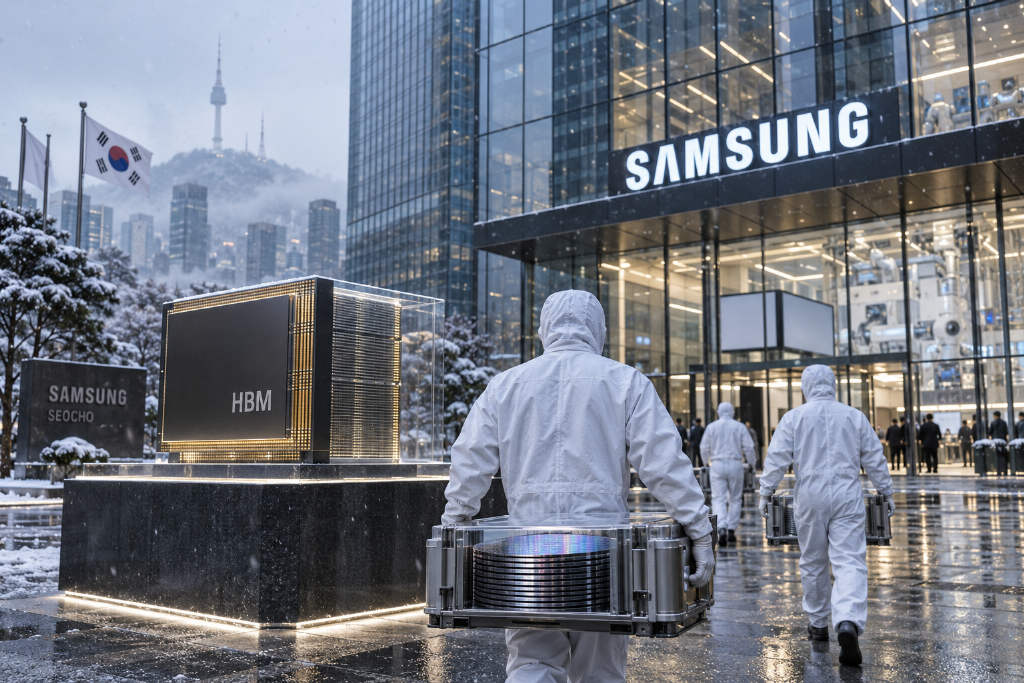
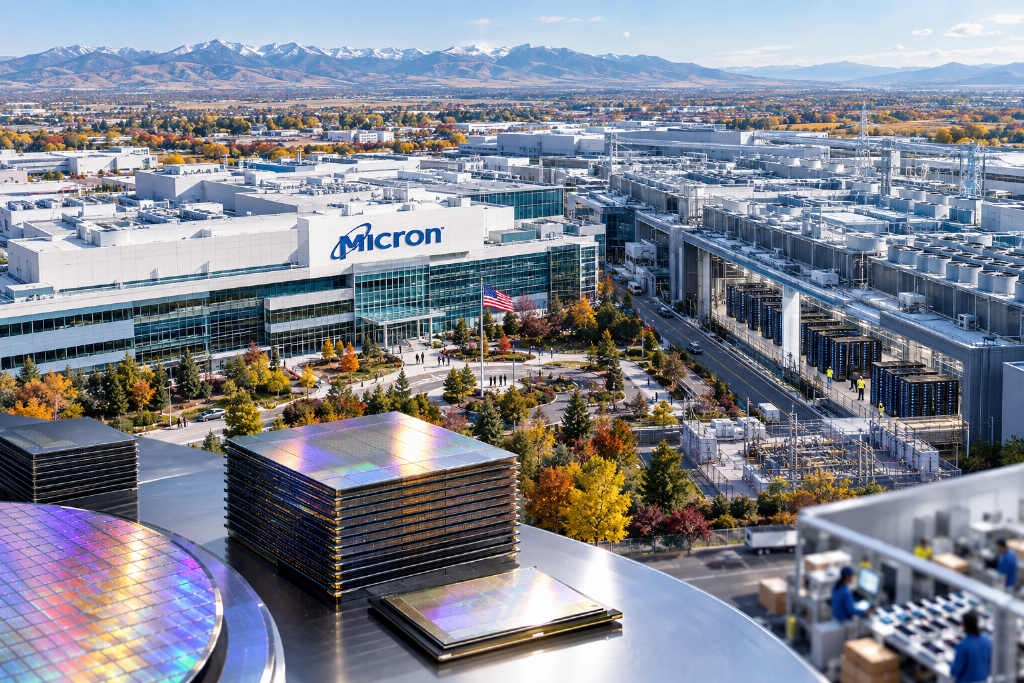
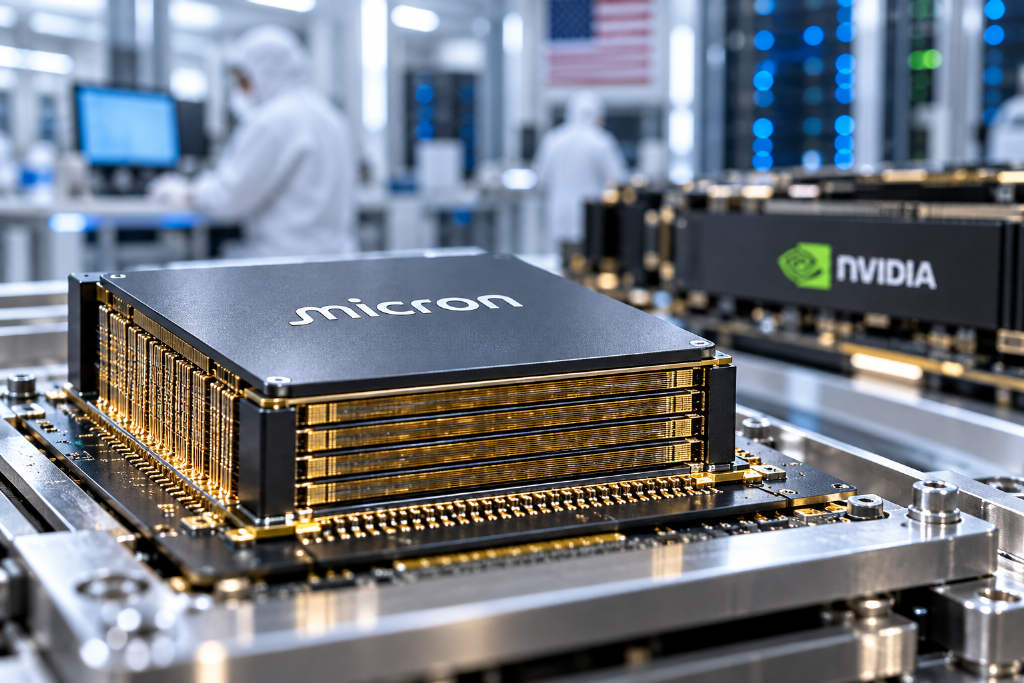
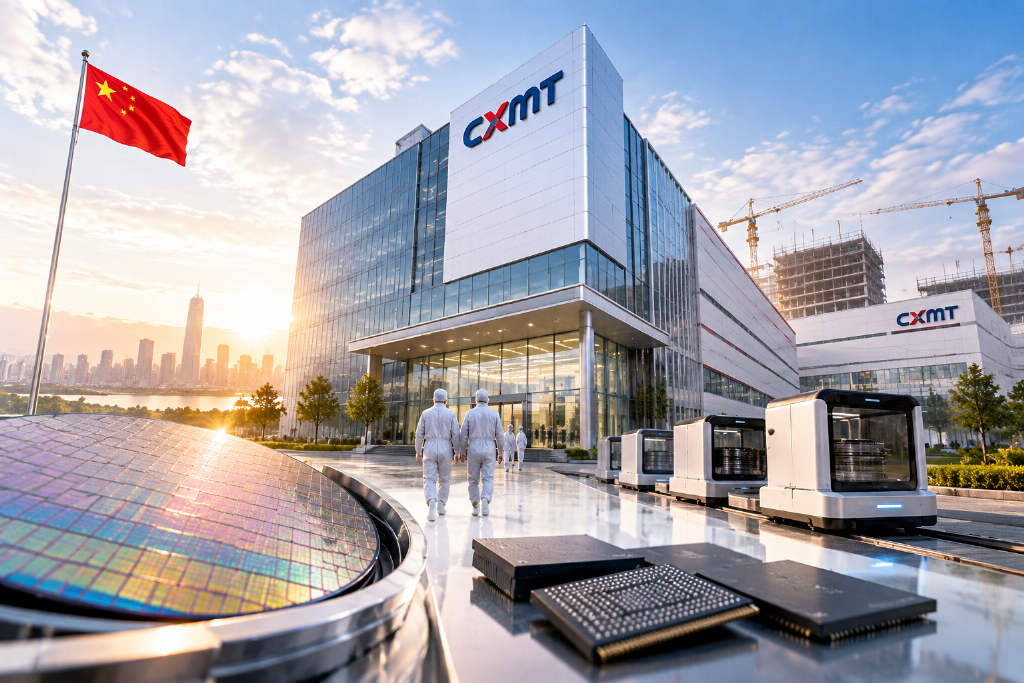
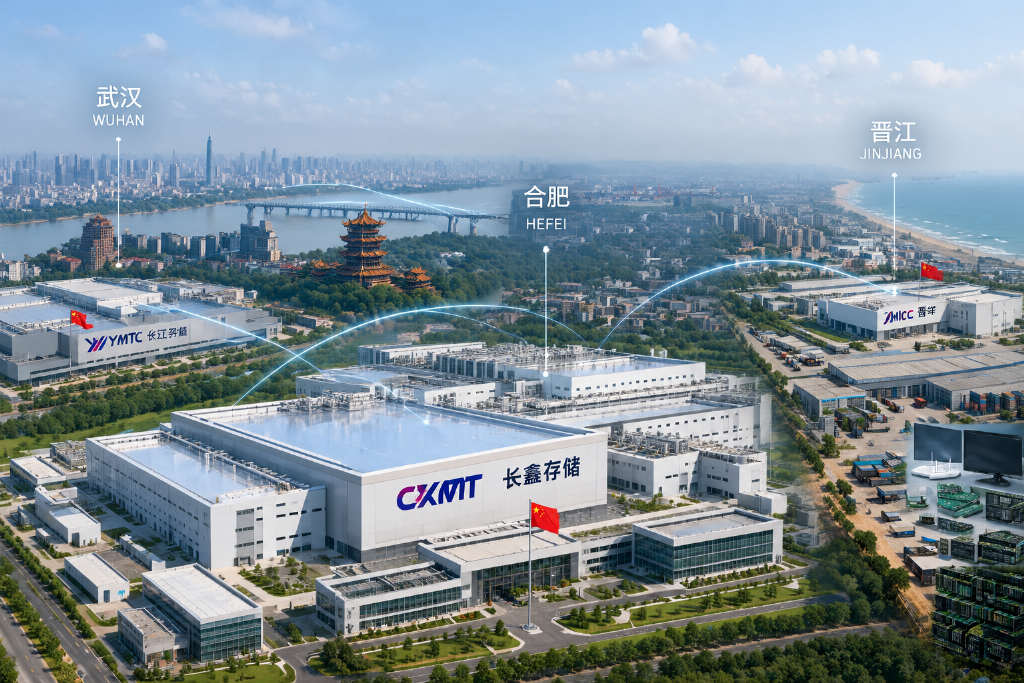
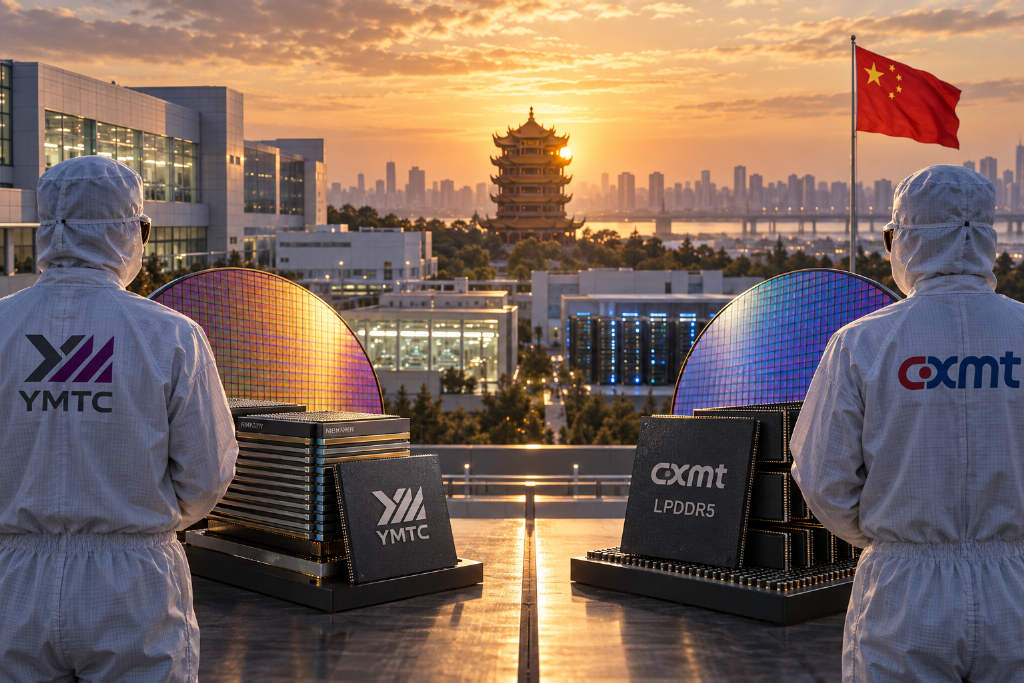
In 2016, Wuhan, Hefei, and Jinjiang each moved into memory chips, a market then dominated 96% by Samsung, SK Hynix, and Micron, while mainland China had almost no presence. Ten years later, those bets have split sharply. ChangXin Memory Technologies in Hefei listed on Shanghai’s STAR Market on July 27, 2026, with an issue price of RMB 8.66 and an opening price of RMB 49.5, giving it a market capitalization of RMB 3.31 trillion and making it, according to the source article, the largest A-share company by market value at the open. Yangtze Memory Technologies Co. in Wuhan has reached about 12% of the global NAND market and had its STAR Market IPO application accepted on Aug. 21, 2026. Fujian Jinhua, after being hit by U.S. export restrictions, shifted toward mature-process memory used in smart TVs, set-top boxes, printers, and routers.
The article traces how the three projects were built, how local state capital backed them, and why their trajectories diverged. It also contrasts those survivors with failed semiconductor projects such as Wuhan Hongxin. A central thread is Hefei’s policy framework of tolerance for failure and due-diligence-based liability exemption, which the article presents as a key reason the city kept funding ChangXin through years of losses. It closes by noting that policy rules have since changed, with Beijing tightening restrictions on government investment funds used for招商-style industrial attraction.